Are You Shipping Air? The Hidden Cost of Manual Load Planning
The Spreadsheet Trap
Most logistics teams still rely on Excel sheets, email threads and gut‑feel to decide how many pallets fit into a trailer. It feels cheap – until the numbers don’t add up.
- 🧮 Human error: One misplaced decimal or an outdated SKU dimension can turn a perfectly packed truck into a half‑empty one.
- 🔁 Version chaos: When several planners edit the same file, you end up with multiple “latest” versions and endless reconciliation meetings.
- ⏳ Lost opportunity: Every minute spent tweaking a spreadsheet is a minute not spent on higher‑value activities like demand forecasting or carrier negotiation.
Air Hauling – Shipping Empty Space
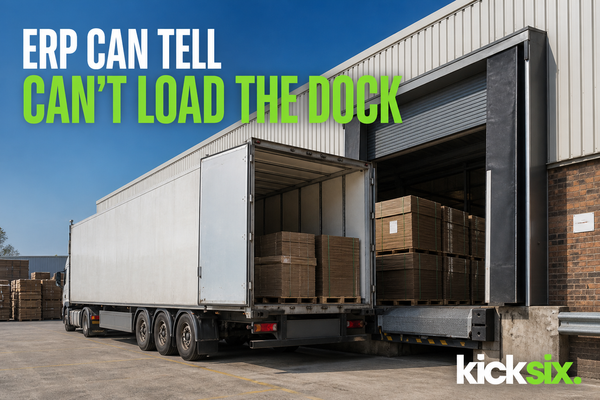
The term “air hauling” isn’t about planes; it’s the freight industry slang for paying to move air. When a trailer runs at 60 % load factor you’re essentially buying fuel, driver time and emissions for nothing.
- 💰 Bottom‑line hit: A typical 53‑ft semi can hold ~30 standard pallets. Missing just three pallets adds up to $1,200–$2,000 in fuel & carrier charges per trip.
- 🌍 Carbon penalty: Extra miles for under‑filled trucks mean more CO₂ per shipped unit – a hidden ESG risk that customers increasingly penalise.
- ⚙️ Operational friction: Under‑utilised trailers force more trips, tighter dock schedules and higher labor overtime.
Enter Clockwork by KickSix: Cluster Planning Before the Truck Exists
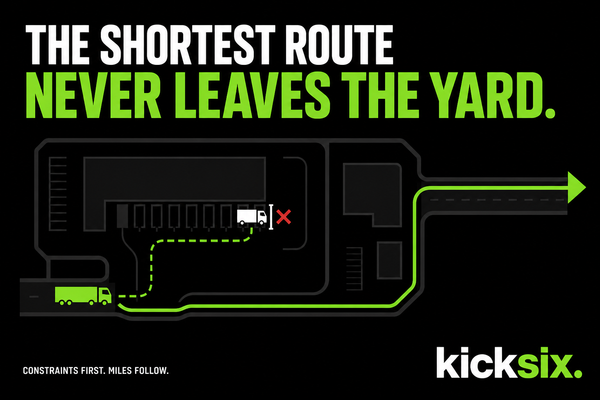
Clockwork flips the script. Instead of “load the truck then decide what fits,” it groups demand into clusters based on product dimensions, weight limits and delivery windows. Only after a cluster is built does Clockwork assign a trailer – meaning you start with a full, optimized load plan.
- 🧩 Cluster Planning: The engine aggregates orders that naturally fit together, eliminating the “which pallet goes where?” guesswork.
- 🚀 Instant optimization: In milliseconds Clockwork evaluates thousands of layout permutations and selects the highest‑density configuration.
- 🔗 Seamless integration: Connects to any WMS, ERP or TMS via API – no more copy‑pasting spreadsheets.
Why Manual Planning Is a Money‑Leak
Every extra cubic foot of air you ship is money that could have gone to product development, marketing or margin improvement. The hidden costs add up fast:
| Cost Category | Typical Impact per Empty Pallet‑Slot |
|---|---|
| Fuel & Carrier Rate | $40–$70 |
| Driver Overtime | $25–$45 |
| Carbon Emissions (CO₂) | 0.18 t CO₂ |
| Lost Capacity for New Business | Potential $5‑10K/yr |
The Call to Action – Audit Your Trailer Utilisation
If you’re still trusting spreadsheets, it’s time for a reality check. Pull your last three months of load data and answer these questions:
- What % of trailer volume is actually filled?
- How many “air” pallets (empty slots) appear on each manifest?
- What’s the incremental fuel cost for those empty slots?
Take the numbers to your finance team and watch the ROI of a modern load‑planning solution appear.
Ready to stop shipping air? Let Clockwork by KickSix turn your demand into full, efficient loads before a truck ever rolls out of the dock. Schedule a free utilisation audit today and see how many empty pallets you can eliminate.