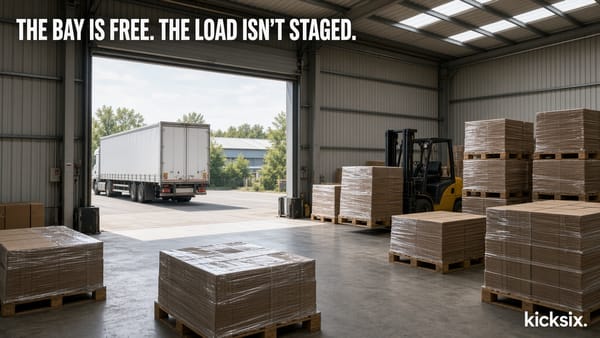
Production says ship. The trailer isn't ready.
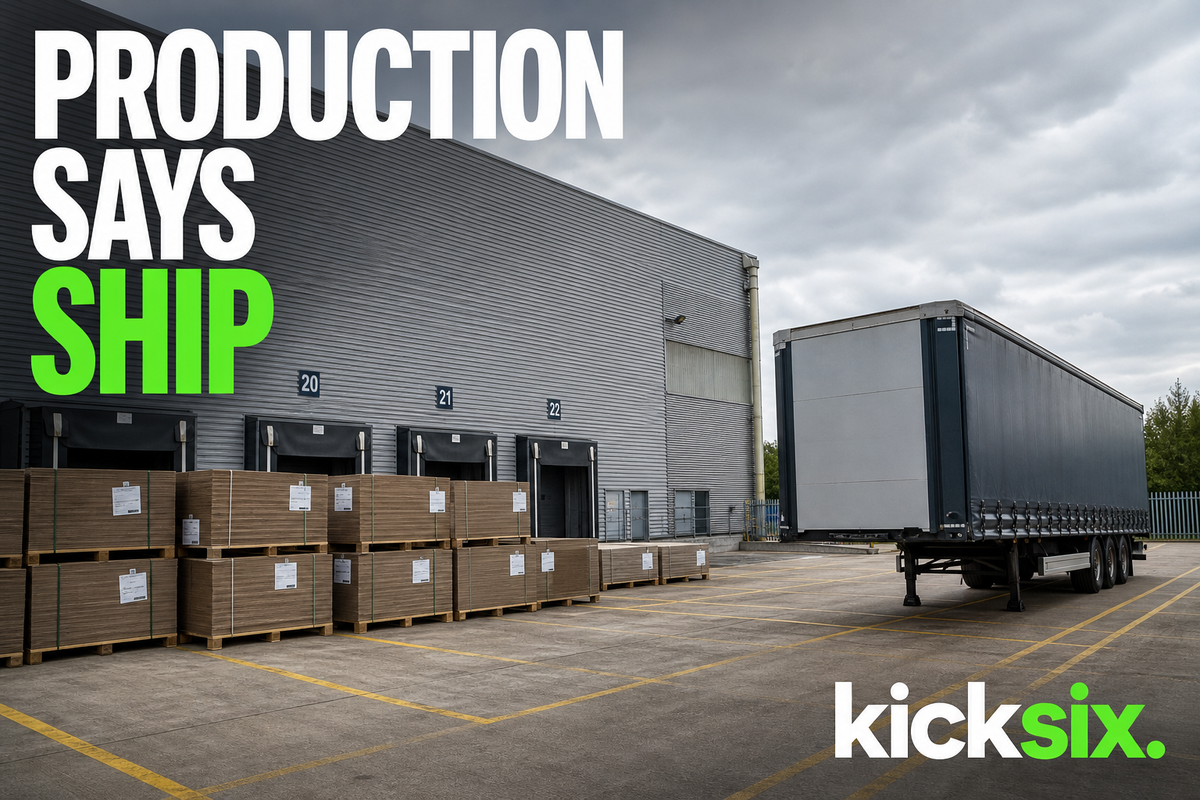
Production says the order can ship. The trailer is not ready. That gap is where a lot of packaging days come apart.
The line finished. Labels are on. The ERP shows stock available. On the yard there is no trailer booked, or the one that arrived is the wrong type, or the load plan still assumes yesterday's drop list.
Two clocks, one dock
Production runs to its own clock. Transport runs to vehicle availability, driver hours, and customer windows. When those clocks only meet in a spreadsheet at half past two, you get finished goods sitting and a scramble to fill whatever vehicle shows up.
I have watched plants push product to the dock because the schedule said ship, then rebuild the load three times because the vehicle and the drop plan never matched.
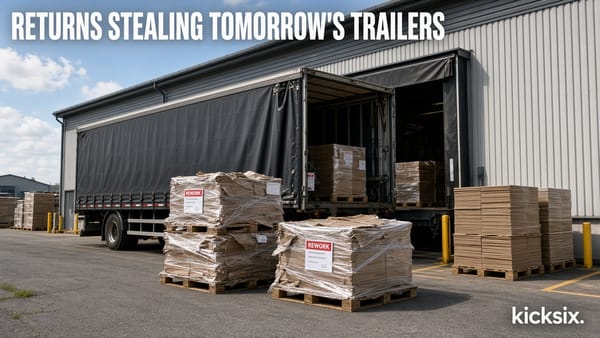
Finished goods staging fills up. Forklifts double-handle. The next production wave arrives while yesterday's ship is still being argued over. That is not a motivation problem. It is a planning hand-off problem.
What needs to connect
You do not fix this by asking production to become a haulage team. You fix it by planning the load against real ready times and real vehicle capacity before you call the trailer firm.
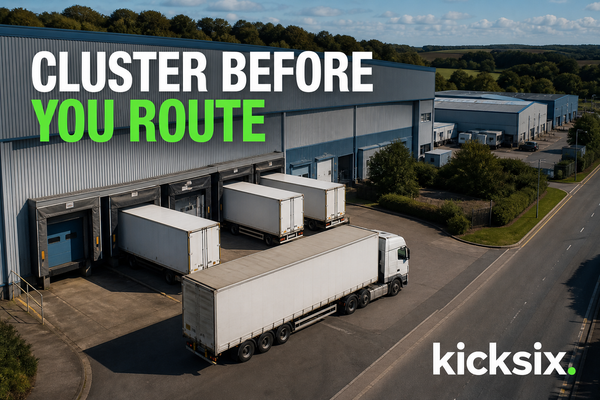
Cluster the drops you can actually serve. Fill to axle-legal limits with the SKUs that are truly ready. Leave the rest for the next run instead of forcing them onto a vehicle that cannot take them cleanly.
Ready to ship in the ERP should mean ready to load in the plan. If those two meanings drift, the dock becomes the translator, and translators invent shortcuts.
ERP first, then the load plan
Keep the ERP as the source of what is allowed to ship. Clockwork sits after it. Data moves once via Fabric. Then the transport plan can say whether a trailer is ready in the only sense that matters: right vehicle, right sequence, right weight, right time.
When production says ship, the question should already have an answer on the yard. If it does not, you are still running two plans.