Smart Order‑Clustering: How to Cut Truck Costs and Boost Delivery Speed 🚚💡
Why “Cluster‑Your‑Orders” Is the New Money‑Saving Engine for Shippers
Imagine you have ten small parcels headed to three nearby towns. Instead of sending a separate truck for each stop, you bundle those orders into one route, load them together and let the driver follow an optimized path. That’s order clustering – a simple idea that can slash fuel use, lower labor expenses and shave hours off delivery times.
🔎 The Core Benefits of Order Clustering
- Fuel Efficiency: Fewer miles per package means less diesel or electricity burned. Studies from logistics‑tech firms show up to 30 % reduction in mileage when orders are grouped by geographic proximity.
- Labor Savings: One driver can handle the work of three, cutting hourly wages and overtime costs. The same principle that makes “cluster picking” a warehouse win works on the road too.
- Higher Load Utilisation: Trucks leave the dock fuller, reducing the number of partially‑filled trips that sit idle while waiting for the next load.
- Improved Service Levels: Consolidated routes are easier to predict, so customers receive more reliable ETAs and fewer missed deliveries.
🚀 How a SaaS Transport‑Planning Platform Makes Clustering Easy
Modern transport‑management software does the heavy lifting behind the scenes. Here’s what an intelligent solution should do:
- Dynamic Order Grouping: As new orders arrive, the system evaluates address data, weight, volume and delivery windows, then automatically assigns them to the best “cluster”.
- Route Optimisation Engine: Using algorithms like VRP (Vehicle Routing Problem) with time‑window constraints, it creates the shortest possible path for each cluster.
- Real‑Time Re‑clustering: If a high‑priority order pops in mid‑day, the platform can reshuffle clusters on the fly without breaking existing schedules.
- Load Planning & Stowage Guidance: The software suggests how to stack pallets or place smaller parcels so that unloading at each stop is quick – a win for both driver and dock staff.
📊 Real‑World Impact: Numbers That Speak
| Metric | Typical Improvement |
|---|---|
| Average miles per delivery | -25 % |
| Driver labour hours | -20 % |
| Truck utilisation (load factor) | +15 % |
| Carbon emissions | -22 % |
These figures come from case studies at mid‑size e‑commerce distributors that adopted clustering features in their TMS. The savings quickly pay for the software subscription.
🛠️ Key Features to Look For in a Clustering‑Ready TMS
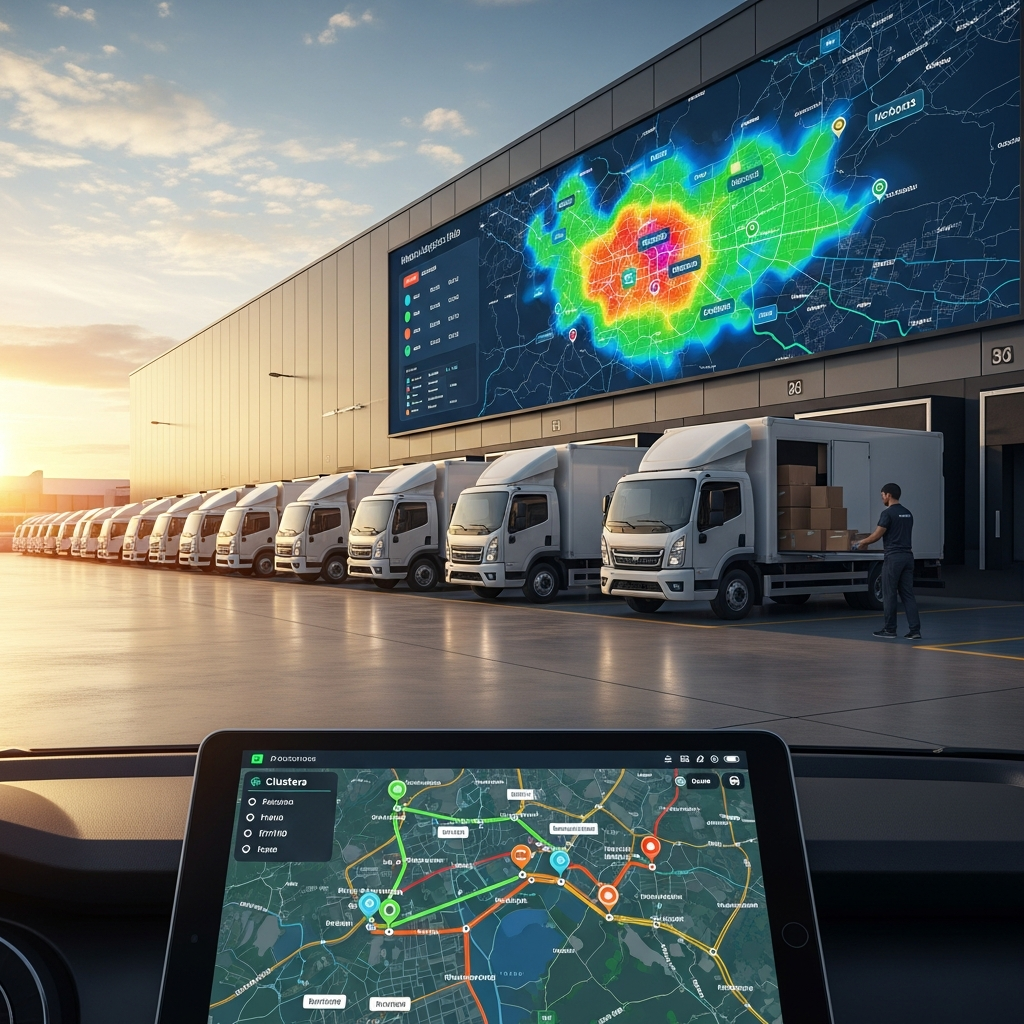
- Geospatial Heat‑Mapping: Visual clusters on a map so planners can see “hot zones” at a glance.
- AI‑Driven Forecasting: Predict future order spikes and pre‑create clusters for peak seasons (think Black Friday or holiday shipping).
- Integration with WMS/Warehouse Automation: Sync the outbound picking plan so items are already grouped when they hit the dock.
- Mobile Driver App: Real‑time route updates, proof‑of‑delivery capture and load‑unload instructions right on the driver’s device.
💡 Quick Tips to Get Started Today
- Start with a pilot: pick one region or product line and enable clustering in the TMS.
- Set clear cost‑saving KPIs – mileage, labor hours, on‑time delivery – and track them weekly.
- Train drivers on the new “cluster stops” workflow; small behavioural changes boost accuracy.
- Review clustering rules every month. Adjust distance thresholds or time‑window tolerances to fine‑tune performance.
📈 Bottom Line for SaaS Companies
If you build transport planning software, order clustering isn’t just a nice‑to‑have feature – it’s a revenue‑generating engine. By delivering measurable fuel and labour savings, your platform becomes an indispensable partner for shippers looking to stay competitive in a cost‑squeezed market.
Ready to turn every truck into a profit‑maximiser? Let our AI‑powered clustering module do the math while you focus on growing your business. Schedule a demo and see the savings in real time! 🚀