Tiny dock slip-ups that quietly cost a packaging plant
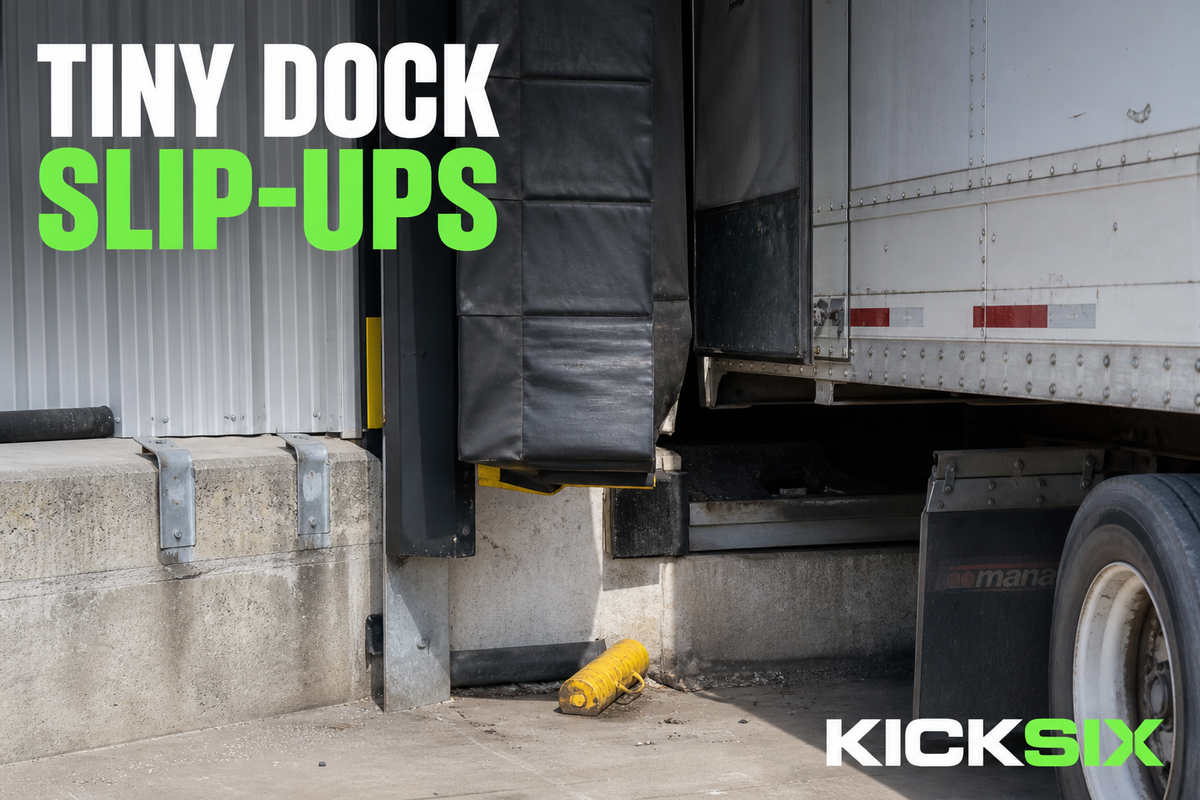
Most of the cost on a packaging dock does not arrive as one dramatic failure. It arrives as tiny slip-ups that feel normal.
A bay left half empty because two SKUs did not look like they would fit. A multi-drop loaded in the wrong order so the first stop is buried. A trailer that clears the dock then fails axle check, so pallets come back off. None of that looks like a crisis in the moment. It still burns time, fuel, and patience.
Plant language, not vague waste
On a corrugated or converting site the pattern is familiar. Finish goods sit ready. The planner builds the load from habit. Someone wedges an extra stack because the customer asked. The driver discovers the issue at the gate or at the first drop.
Each rework is a short delay. Across a week those delays stack. Extra shunts. Extra forklift moves. A late departure that pushes the next window. You can see it on the dock clock without dressing it up as a universal saving.
I would rather talk about the specific miss than invent a neat percentage for every plant. One site loses an hour in restacks. Another loses a vehicle because two thin runs never got clustered. Same family of problems. Different local cost.
Where the slips come from
- Fill decided by eye instead of real pack sizes
- Drop sequence ignored until the trailer is already built
- Axle limits checked late, not in the plan
- Late production lines forced onto a trailer that was already closed
- Customer notes living in someone's head instead of the load plan
These are planning gaps, not driver gaps. The people on the floor are usually fixing a plan that was never complete.
Tighten the plan before the dock
Keep the ERP. Let Clockwork sit after it. Move the order data once via Fabric. Then plan cluster, fill, and axle-legal 3D loading before the first pallet moves.
When the load plan is honest about size, weight, and sequence, the tiny slips have less room to hide. That is how you protect a shift without pretending every plant gets the same result.